1765–1783
The American Revolution
In 1775 American colonists began fighting for freedom from Britain. On July 4, 1776 they declared independence, and after eight years of war, led by George Washington and helped by France, they won. The United States was born as a republic where leaders are chosen by the people.
Why artists painted it
American painters, especially John Trumbull, were eager to show the founding to the world. Many of these scenes became so famous they are on money and in school books.
 Declaration of Independence · John Trumbull, 1810
 Declaration of Independence
John Trumbull · 1810
🕰️ Painted 27 years later
Trumbull's famous painting shows the Committee of Five presenting the Declaration of Independence to the Congress in 1776.
 Washington Crossing the Delaware
Emanuel Leutze · 1851
🕰️ Painted 68 years later
On Christmas night 1776, Washington's army crosses an icy river for a surprise attack on Trenton.
 Surrender of Lord Cornwallis
John Trumbull · 1819
🕰️ Painted 36 years later
British troops lay down their arms at Yorktown in 1781, the battle that ended the war.
 Surrender of General Burgoyne
John Trumbull · 1821
🕰️ Painted 38 years later
Burgoyne's army surrenders at Saratoga in 1777, the turning point that convinced France to join the Americans.
 George Washington at Princeton
Charles Willson Peale · 1779
👁️ Painted at the time
Charles Willson Peale, who fought in the war, shows Washington leading at the Battle of Princeton.
 American Commissioners of the Preliminary Peace Negotiations with Great Britain
Benjamin West · 1783
👁️ Painted at the time
West's unfinished painting of the American peace negotiators in Paris, who left a blank space where the British refused to sit.
 The Battle of Bunker's Hill
John Trumbull · 1786
👁️ Painted at the time
On June 17, 1775, British troops stormed Bunker Hill outside Boston, one of the first big battles of the American Revolution, and the American general Joseph Warren was killed.
 Washington and Lafayette at Valley Forge
John Ward Dunsmore · 1907
🕰️ Painted about 120 years later
George Washington and the young French marquis de Lafayette ride through the snow at Valley Forge in the winter of 1777–1778, when the American army nearly starved but became a stronger force.
 The Bloody Massacre Perpetrated in King Street Boston
Paul Revere · 1770
👁️ Painted at the time
British soldiers fire into a crowd in Boston on March 5, 1770, killing five colonists.
 Paul Revere
John Singleton Copley · 1768
👁️ Painted at the time
The silversmith Paul Revere, later famous for his midnight ride in 1775, rests his chin on his hand in front of a gleaming teapot.
 The Battle of Cowpens
William Ranney · 1845
🕰️ Painted 62 years later
American and British cavalry fight in a sword duel at the Battle of Cowpens in South Carolina in 1781, one of the clearest American victories of the Revolution.
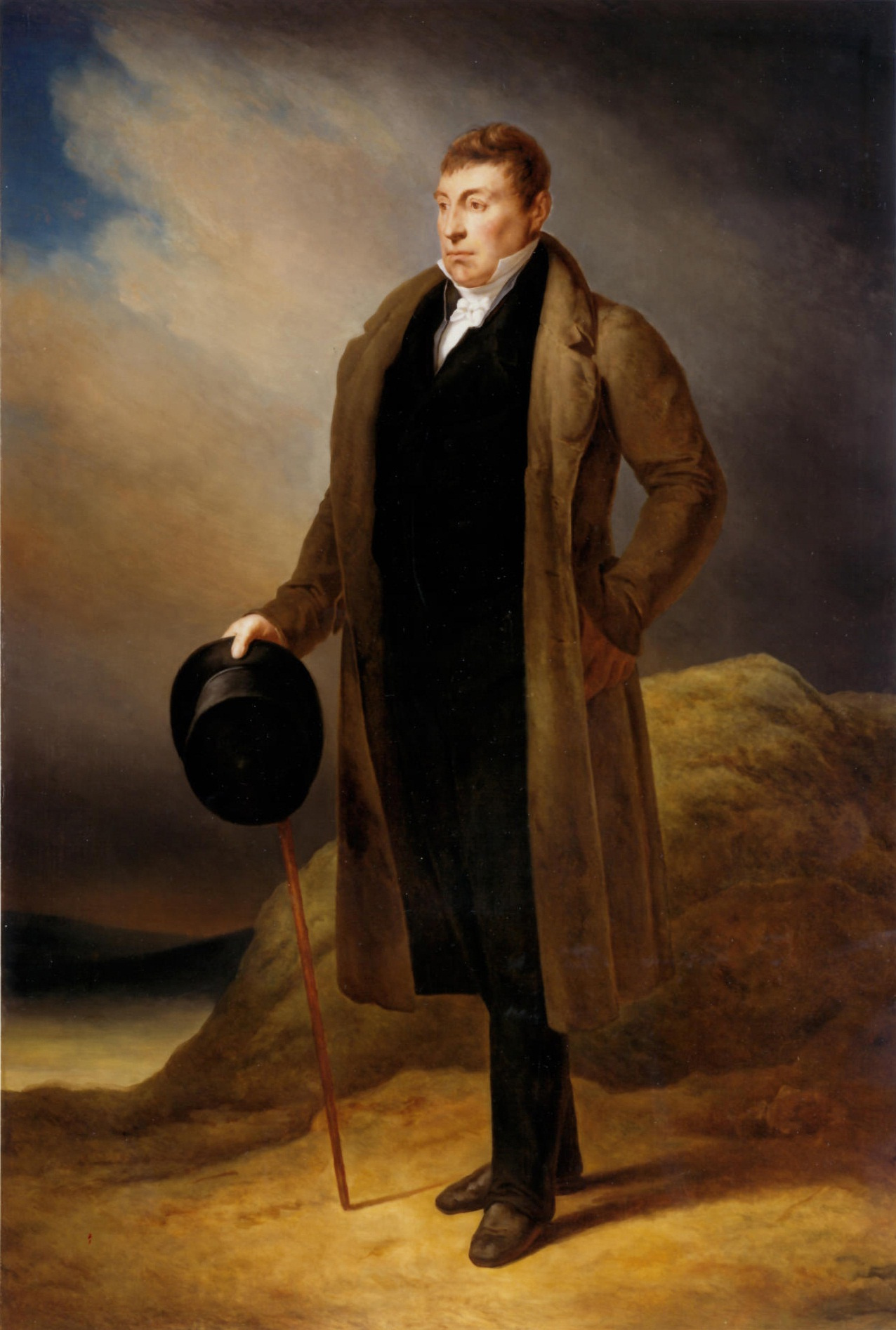 Marquis de Lafayette
Ary Scheffer · 1823
🕰️ Painted 40 years later
The Marquis de Lafayette, a young French nobleman, joined Washington's army at the age of 19 and became a hero of the American Revolution.
 Thomas Jefferson
Rembrandt Peale · 1800
👁️ Painted at the time
Thomas Jefferson, the writer of the Declaration of Independence and the third president of the United States, was painted by Rembrandt Peale in 1800, the year Jefferson was elected.
 George Washington (Williamstown Portrait)
Gilbert Stuart · 1803
👁️ Painted at the time
George Washington, the leader of the American army in the Revolution and first president, in a portrait by Gilbert Stuart painted in 1803.
 The Passage of the Delaware
Thomas Sully · 1819
🕰️ Painted 36 years later
General George Washington on his horse watches his soldiers cross the icy Delaware River on Christmas night, 1776, before their surprise attack on Trenton.