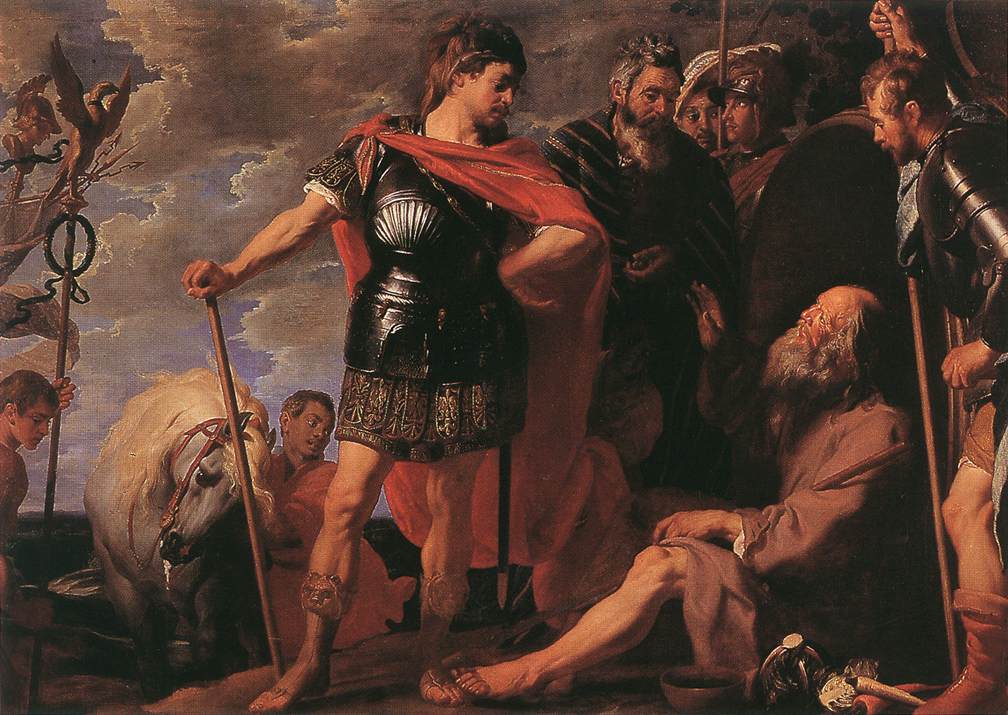
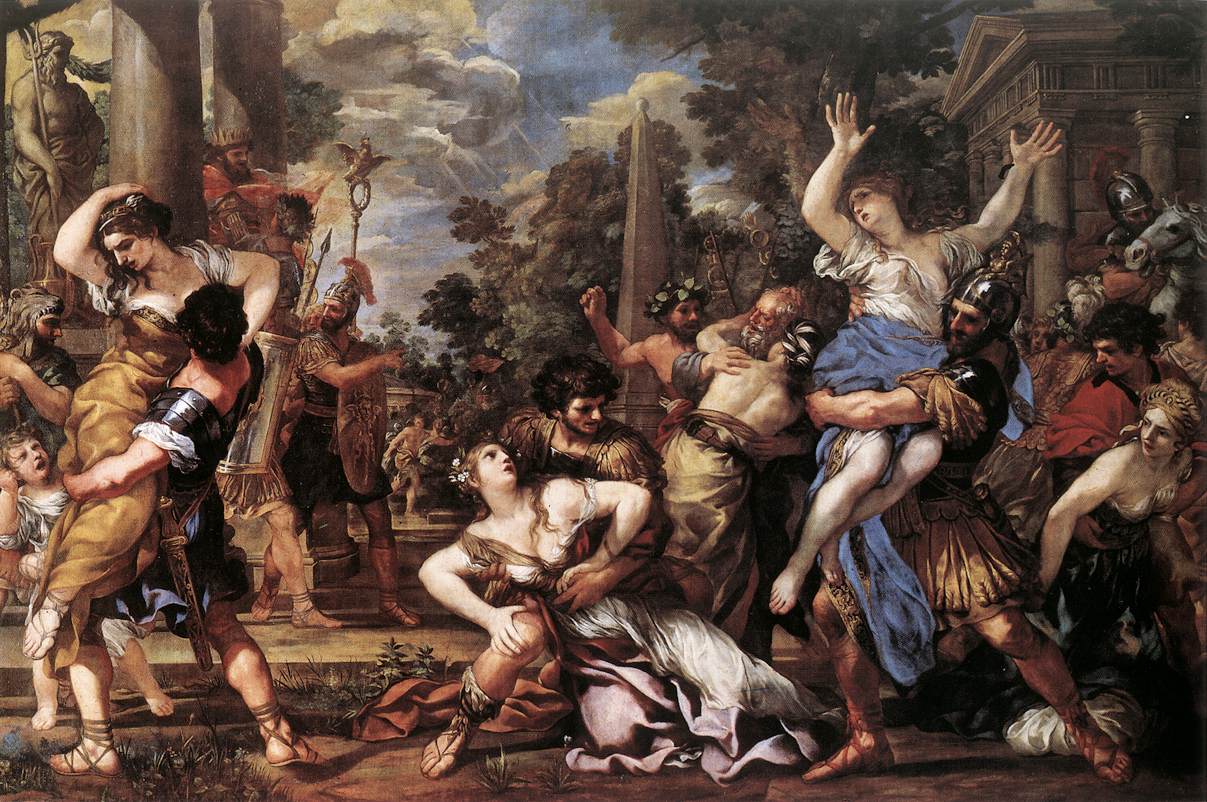
Constantius Appoints Constantine as His Successor
Peter Paul Rubens · 1622
Why it's great
Constantius, a Roman emperor, names his son Constantine as his successor in 306 AD, and Constantine goes on to become the first Christian emperor. Peter Paul Rubens painted this scene in 1622 for a series about Constantine's life.
🏛️ Part of history
The Fall of the Western Roman Empire (312–476) — Constantius, a Roman emperor, names his son Constantine as his successor in 306 AD, and Constantine goes on to become the first Christian emperor.
Where to see it
📍 Location not recordedWe couldn't confirm where it hangs today. Museums sometimes move or lend paintings, so check the museum's website before you travel.
Hang it on your wall
Three places to look for a print of this painting, from budget to museum-grade:
These links open search results on each shop's own website; we don't sell anything or earn a commission, and print quality varies by seller. Ask a grown-up before you buy anything.
Peter Paul Rubens was born in Siegen, Germany, in 1577 and grew up in Antwerp, which became his home. He was the most famous Baroque painter of northern Europe, ran a huge workshop, and also worked as a diplomat for Spain. He died in Antwerp in 1640.